

1000+
Successful Projects

 Loading…

Your customers should be able to browse products, place orders and check deliveries without struggling through a small screen. Elexoft provides ecommerce app development services for retailers, online brands and businesses that want a shopping app built around their products and customers.


A shopping app gives customers a direct way to interact with your store from their phones. They can find products, save items for later, complete purchases and return to check their orders. For businesses with repeat customers, an app can also make reordering and account access more convenient.
Custom ecommerce app development is useful when standard app builders cannot support your product rules, checkout requirements or connections to other systems. For example, a retailer with several warehouses may need the app to show stock from different locations. A brand with a loyalty program may want rewards and customer accounts to work across its website and mobile app.
We commence by understanding the buying journey and the work your team performs after an order is placed.


Our ecommerce mobile app development services cover planning, design, development and improvements to existing applications.
The right features depend on what you sell and how often customers return. A useful first version should cover the main purchase journey before adding complex extras.
Customers need to find the right product without having to open dozens of pages. A mobile product catalog can show categories, images, prices, available options and clear descriptions. Search and filters can help shoppers narrow products by size, brand, price or other applicable details. Catalog planning also matters behind the scenes. If a product has several colors or sizes, the app must display the correct variation and availability.
A clear process helps everyone understand what is being built and when decisions are needed. The steps below provide a practical starting point.
We begin with your business model, target customers, current website and main goals. We review product types, checkout needs, delivery options and any software the app must connect to.
This stage also separates essential launch elements from ideas that can wait. If an existing store or app is involved, access and technical limitations need to be assessed before a reliable scope can be agreed.
The design stage maps the main screens and user actions. We consider product discovery, product details, cart changes, checkout, accounts and order history. A prototype can help stakeholders review the flow before development begins.
Can a customer find a specific product? Can they correct an address? Can they understand the final amount before paying? These questions guide the design decisions.
Development connects the app screens with the required services. This may involve customer accounts, product APIs, cart logic, payment providers and order records.
Integrations need special attention when systems update at different times. We plan how the app should respond if a payment callback is delayed or inventory changes while a customer is checking out. Repeated payment notifications should not create duplicate orders or charges.
Testing covers the actions customers rely on, including login, product selection, cart changes, payments and order tracking. We also review different screen sizes, poor network situations and errors returned by connected services.
App Store and Google Play submission require suitable app information, privacy details and adherence to current platform rules. Review and approval remain under the stores’ control.
An ecommerce app development company should understand both mobile screens and the systems that process purchases. A polished interface is important, but it cannot make up for inaccurate stock information or an unreliable checkout.
Elexoft provides mobile application development and custom ecommerce software services. That combination is useful when a project involves a customer-facing app as well as products, orders, inventory and business integrations.
Our approach starts with the requirements rather than a fixed list of features. We discuss what the business needs, what can use existing software and what may require custom development.
When comparing ecommerce app development agencies, ask about testing, source code access, third-party service costs, app store accounts, and support responsibilities. These details matter after the first version goes live.

A shopping app is only one part of the ordering process. Product details, payments, stock levels and delivery updates commonly come from other software. Ecommerce app backend integration connects these systems so the app can show useful information without creating a separate manual workflow.
Not every shopping business needs the same application. The product catalog, checkout and account structure should reflect how orders are placed and fulfilled.
Retail and direct-to-consumer brands may need product collections, seasonal promotions, saved favorites and simple repeat purchasing. A store with physical locations may also need pickup choices or store availability, depending on its existing systems. For a brand with frequent repeat customers, the app can make account access and order history easier to manage.
A marketplace has more moving parts than a single retailer’s app. Products may come from different sellers while orders, commissions, returns and support must follow rules set by the marketplace operator. A marketplace project may require seller onboarding, separate vendor records, product approval and payout workflows. We discuss the business model before deciding which marketplace features belong in the initial scope.

Tell Elexoft what you want customers to do in your shopping app. You may be starting a new retail brand, adding a mobile channel to an existing store or improving an application that needs better checkout and integrations.
Wishlists help customers save products without adding everything to their carts. Accounts can store addresses, order history and preferences so returning shoppers do not have to start each time again. Loyalty features may include points, rewards or offers linked to an existing customer program. If a customer shops on both the website and the app, their account information should remain the same on both platforms when the business supports shared accounts.
A mobile shopping cart should let customers review items, update quantities and see the order total before paying. Checkout may include guest purchases, saved addresses, delivery choices, discount codes and payment methods supported in the target market. If a customer adds products before signing in, the app needs clear rules for merging those items into the cart already saved to the account. We plan how the app handles stock changes, failed payments, and customers returning after an interrupted checkout. For apps that sell physical goods, payment options must also comply with the relevant store rules.
After placing an order, customers want to know what happens next. Ecommerce order tracking can display stages such as confirmed, packed, shipped and delivered when those updates are available from the order or shipping system. Push notifications can alert customers about useful changes such as shipment progress, restocked items or promotions they have chosen to receive. Notification preferences should be respected. Marketing messages must follow the consent rules that apply to the intended audience.





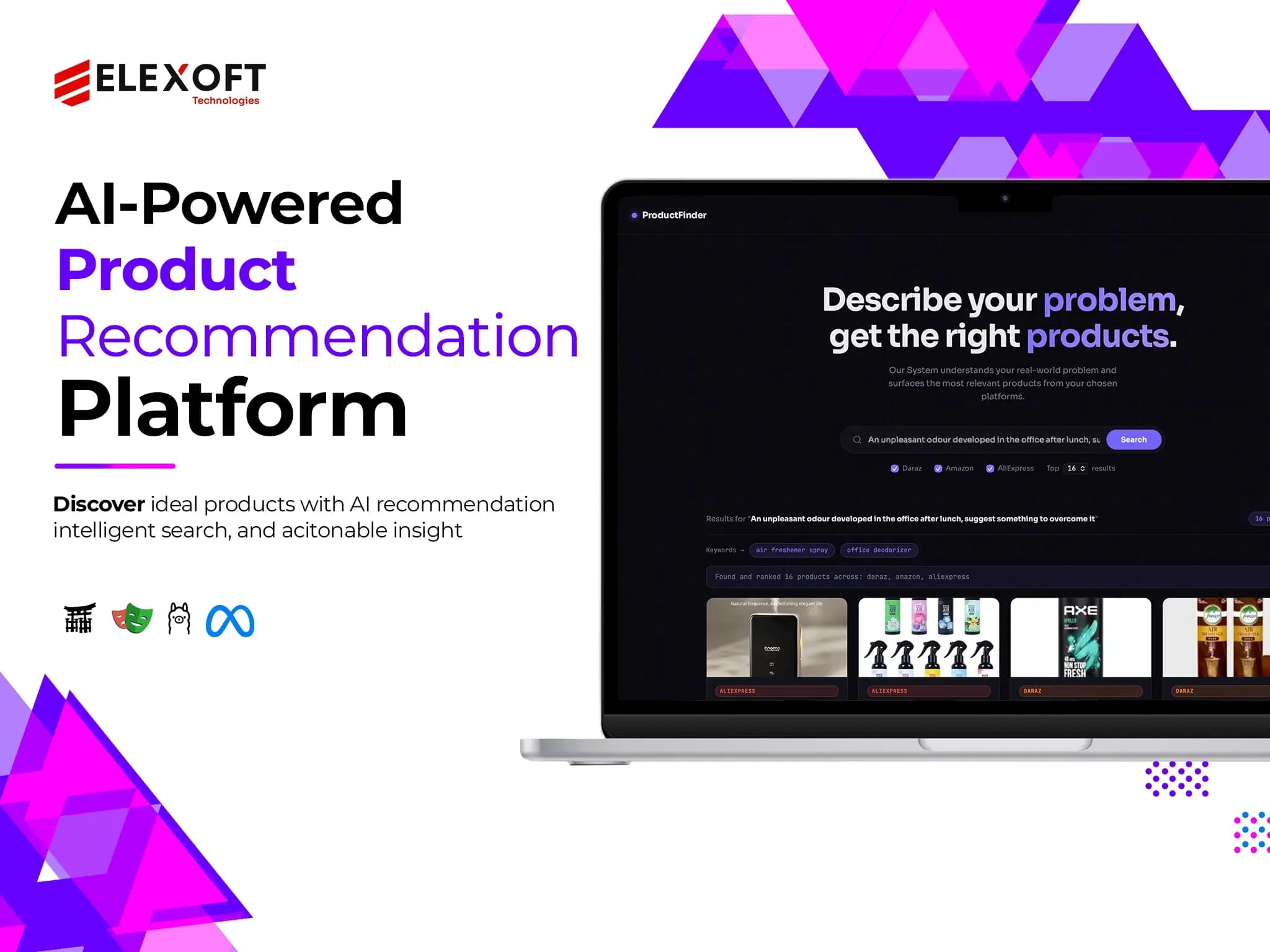
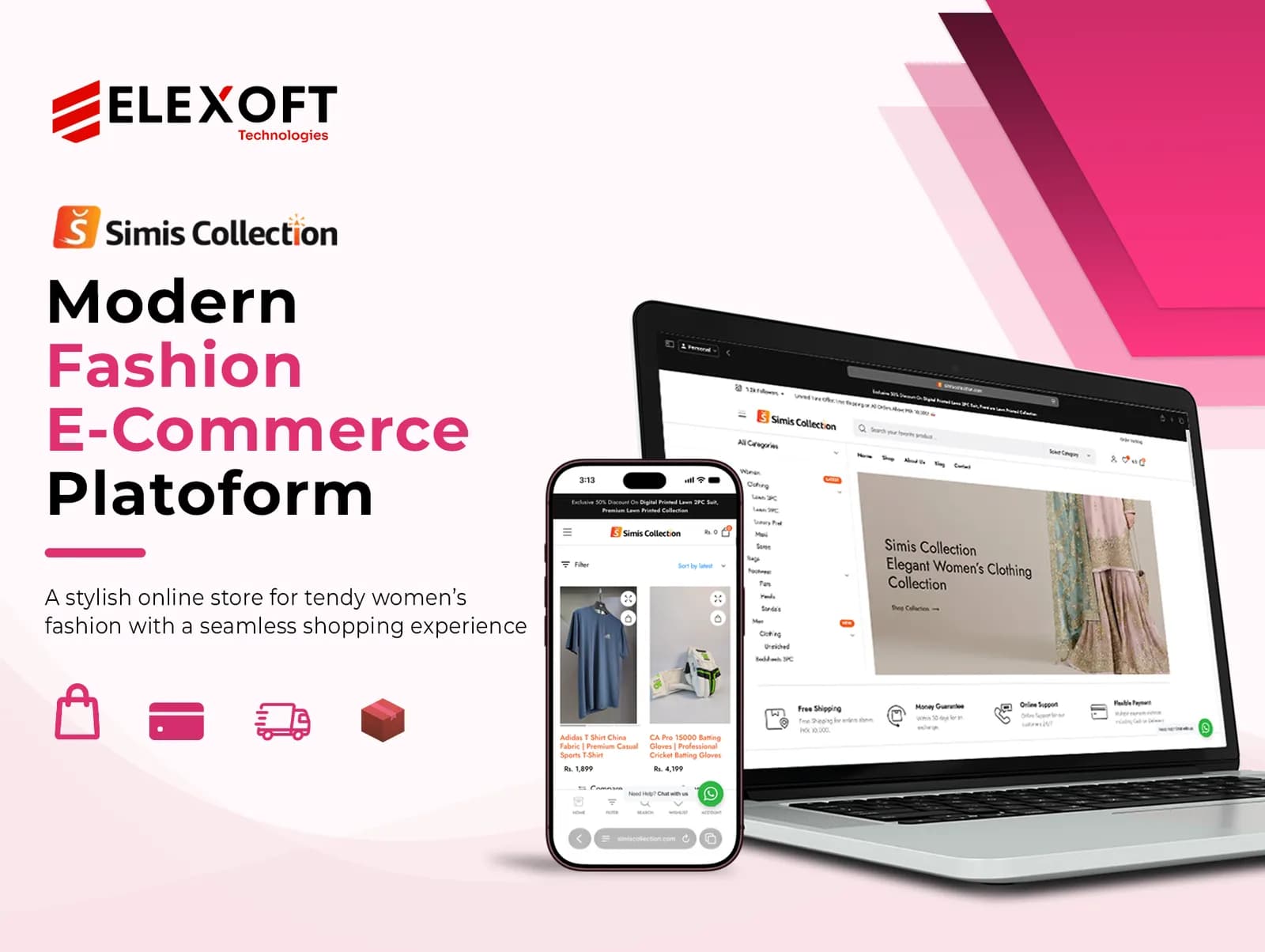
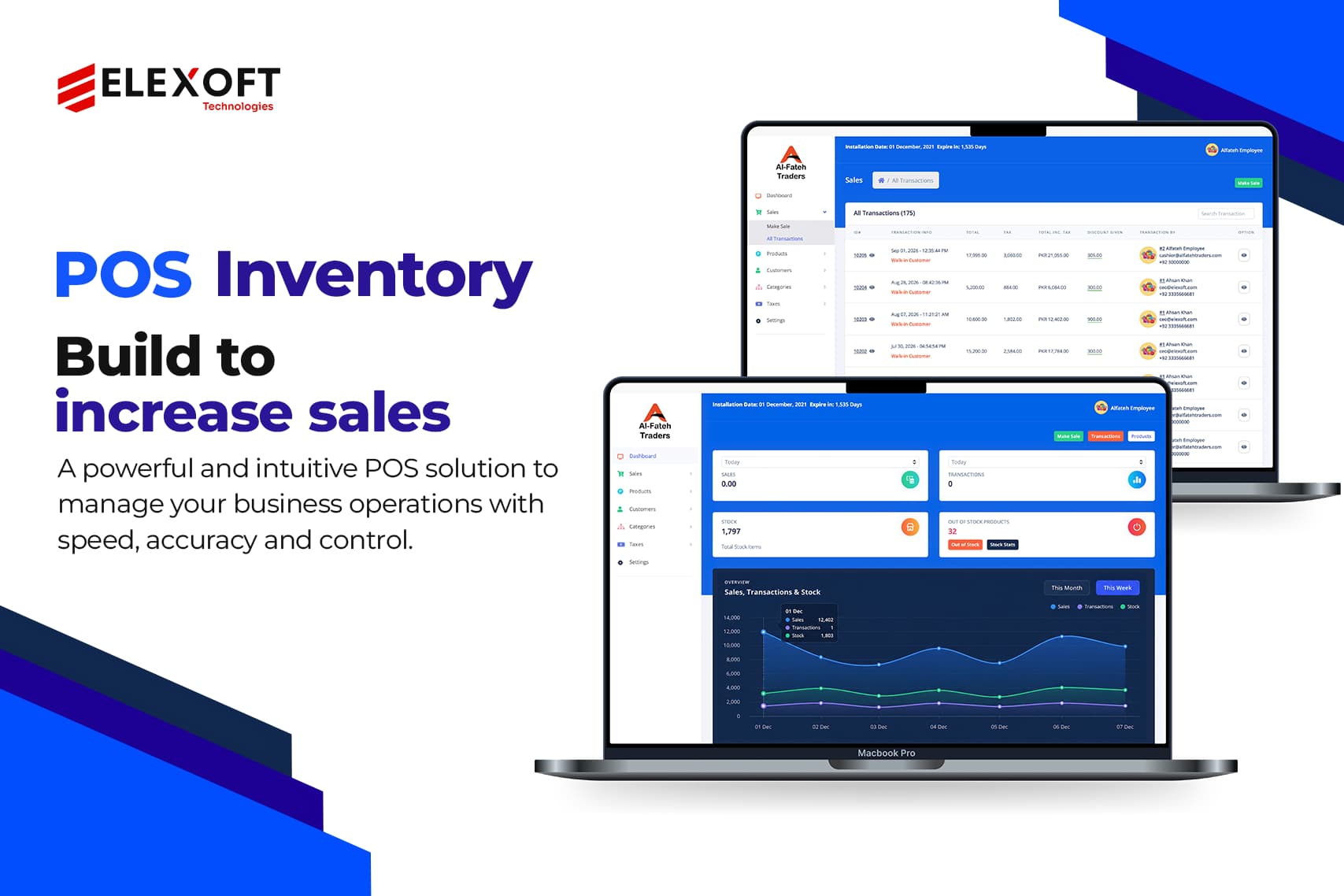
Discover our portfolio of digital products and solutions, showcasing how we turn business requirements into practical, scalable and user focused applications.








Ecommerce app development services can include planning, UI/UX design, Android and iOS development, product catalogs, checkout, payment integration, order tracking, testing, and maintenance. The final scope depends on your business model and the systems the app needs to use.