

500+
Successful Projects

 Loading…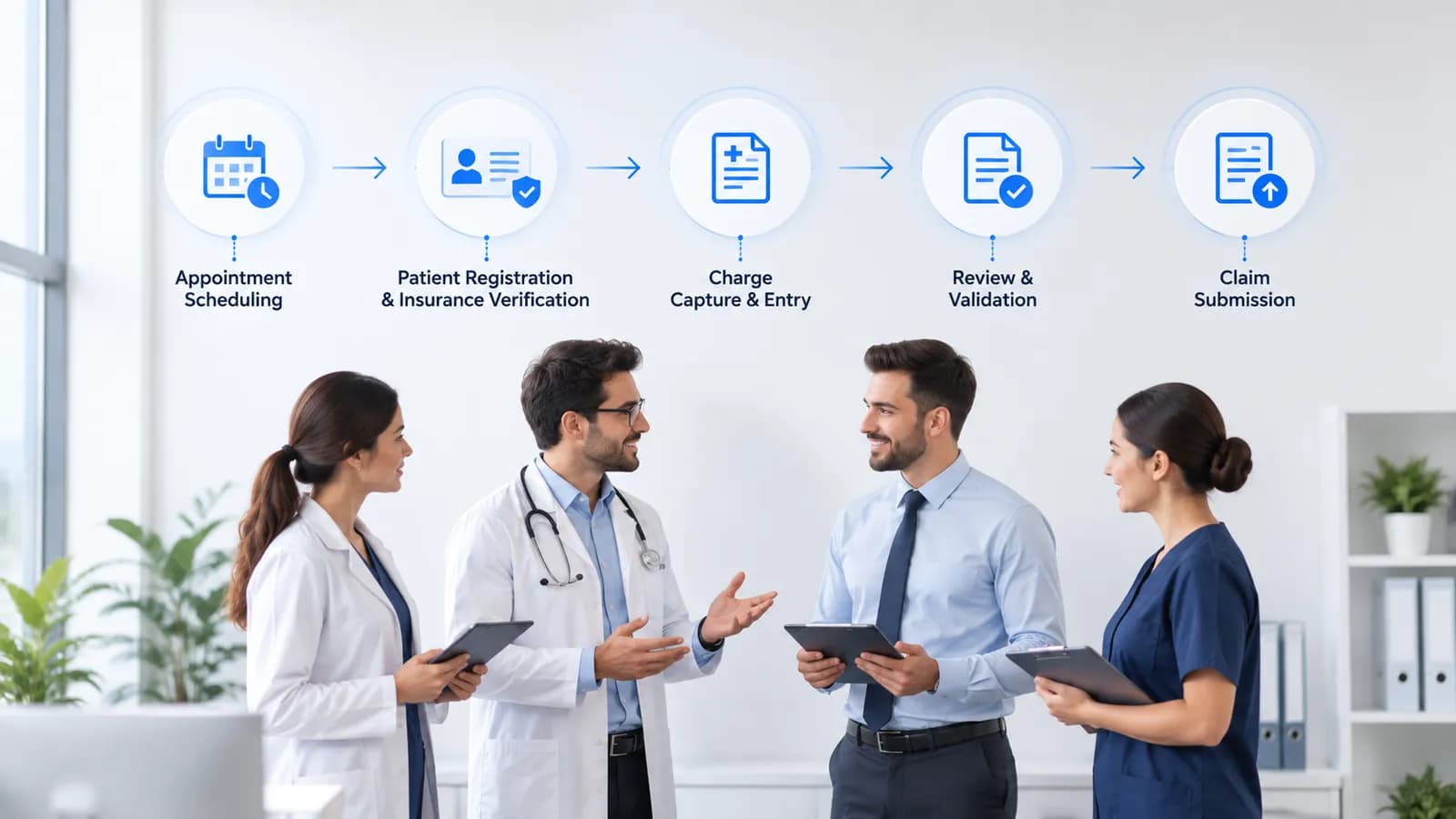
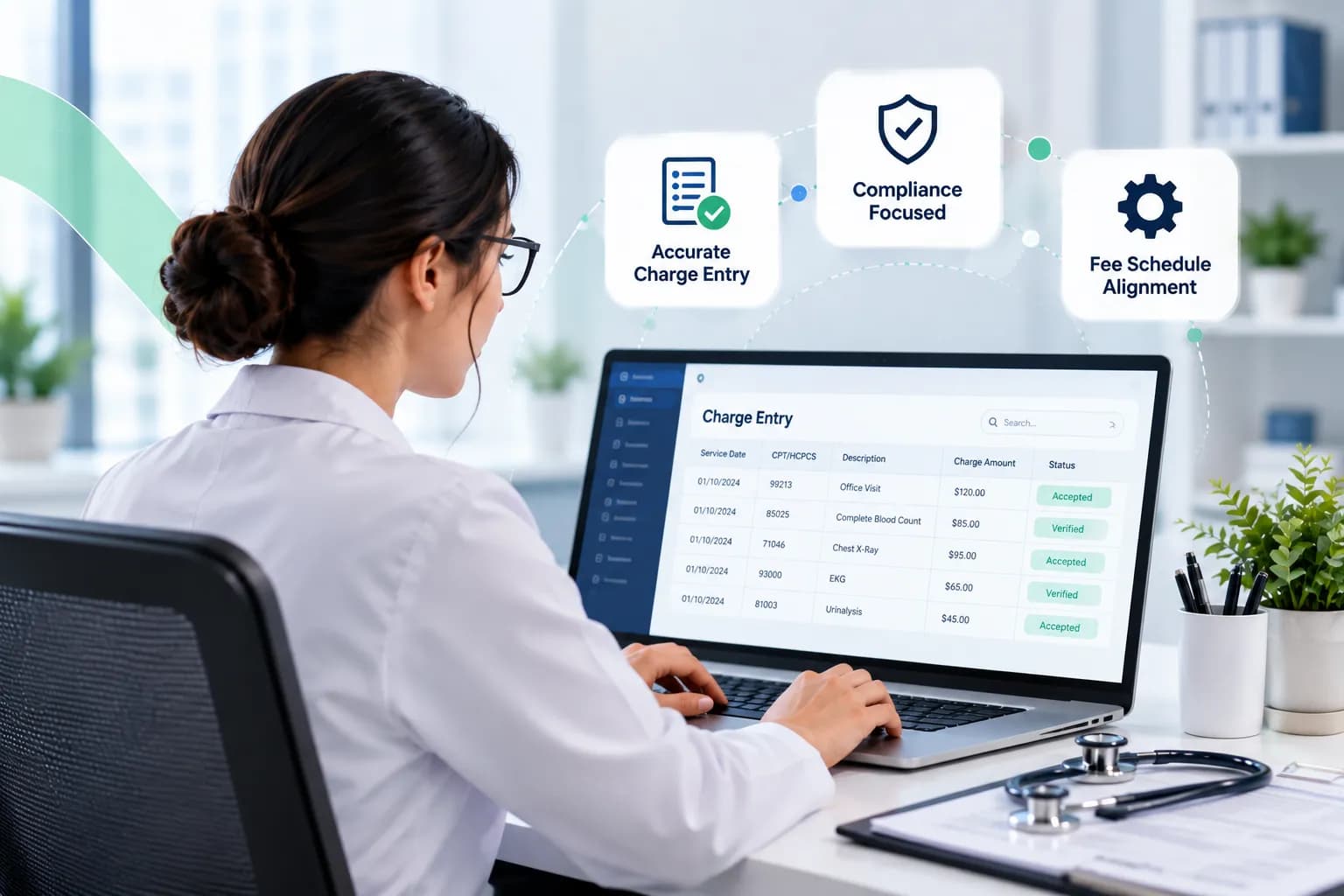
Every medical claim depends on the billing data entered prior to submission. Elexoft provides medical charge entry services that help medical providers move documented and coded encounter information into the billing workflow accurately and consistently.
Charge entry is more than transferring information between screens. It's where documented and coded services enter the billing system with the information needed to build a claim.
A wrong date of service, incorrect place of service, missing unit, duplicate charge, or incomplete service-line detail can create rework later. A missed encounter creates another problem: if the charge never enters the system, it may never reach the claims workflow.
Elexoft structures charge entry around completeness, consistency, and a clear handoff to claims processing. We enter encounter supported information and flag exceptions that require explanation, rather than guessing or changing clinical information.




Elexoft helps organize the billing data needed after coding and before claims processing, supporting accurate charge capture, complete encounter information, and a structured handoff to the next stage of the revenue cycle.
We begin with the information available from your established workflow, such as coded encounters, superbills, encounter forms, and relevant EHR or billing system data. We then identify missing information before entering it.
Charge entry can become a bottleneck when encounter volume increases, staff is overseeing multiple responsibilities or charges accumulate faster than they can be processed. Outsourcing lets practices add charge entry capacity without treating the function as an occasional end of day task.
Elexoft can deliver ongoing charge entry, additional backlog capacity, or a connected workflow across multiple revenue cycle services. The scope can match how your team already receives encounter information and moves completed charges into claims processing.
A well defined outsourced workflow should define the information source, exception ownership, handoff points and boundaries between the charge entry, coding and claims processing.
We receive the available encounter, superbill, coded documentation or billing data through the agreed workflow.
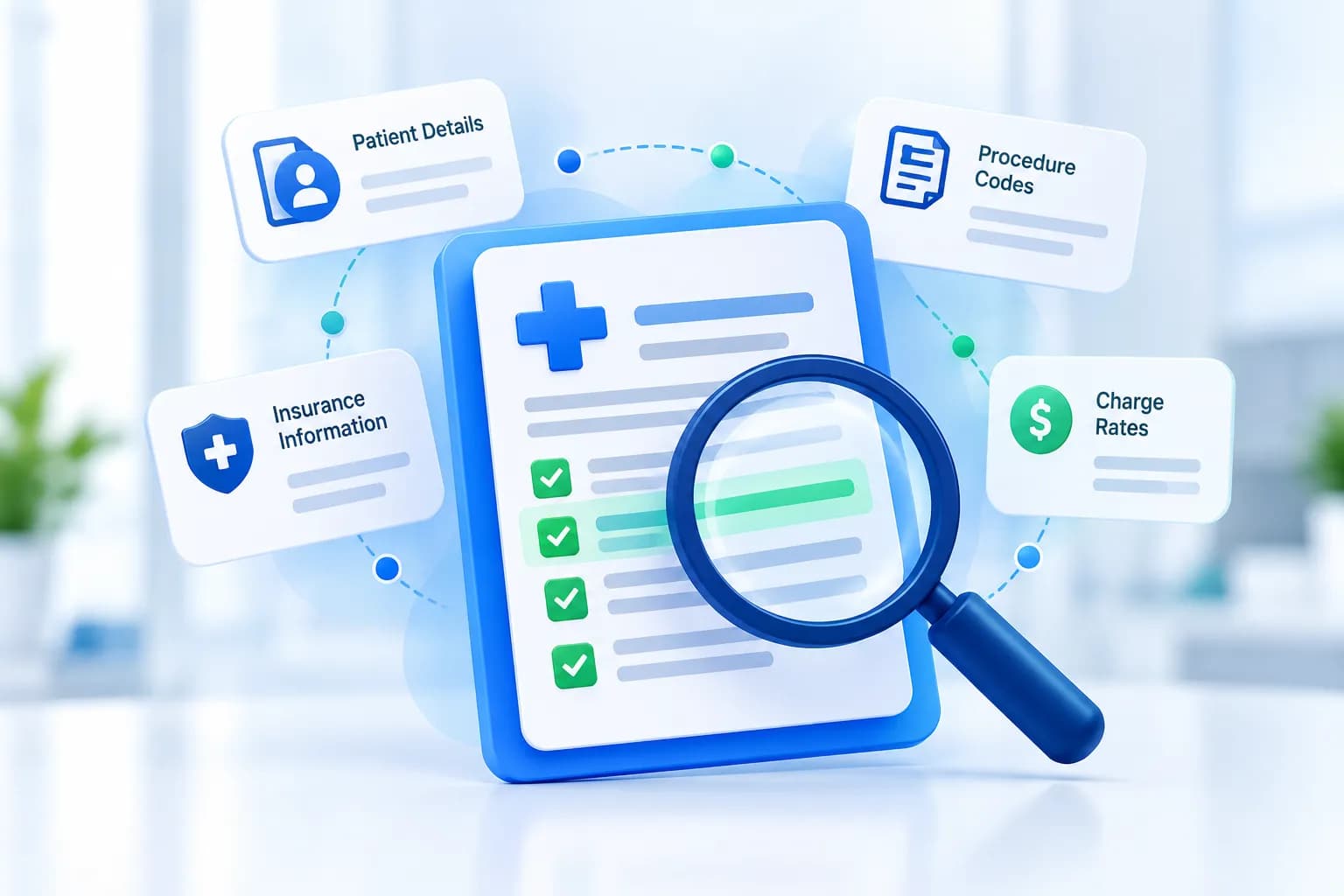
We check the patient, provider, service, coding and charge details required for entry.
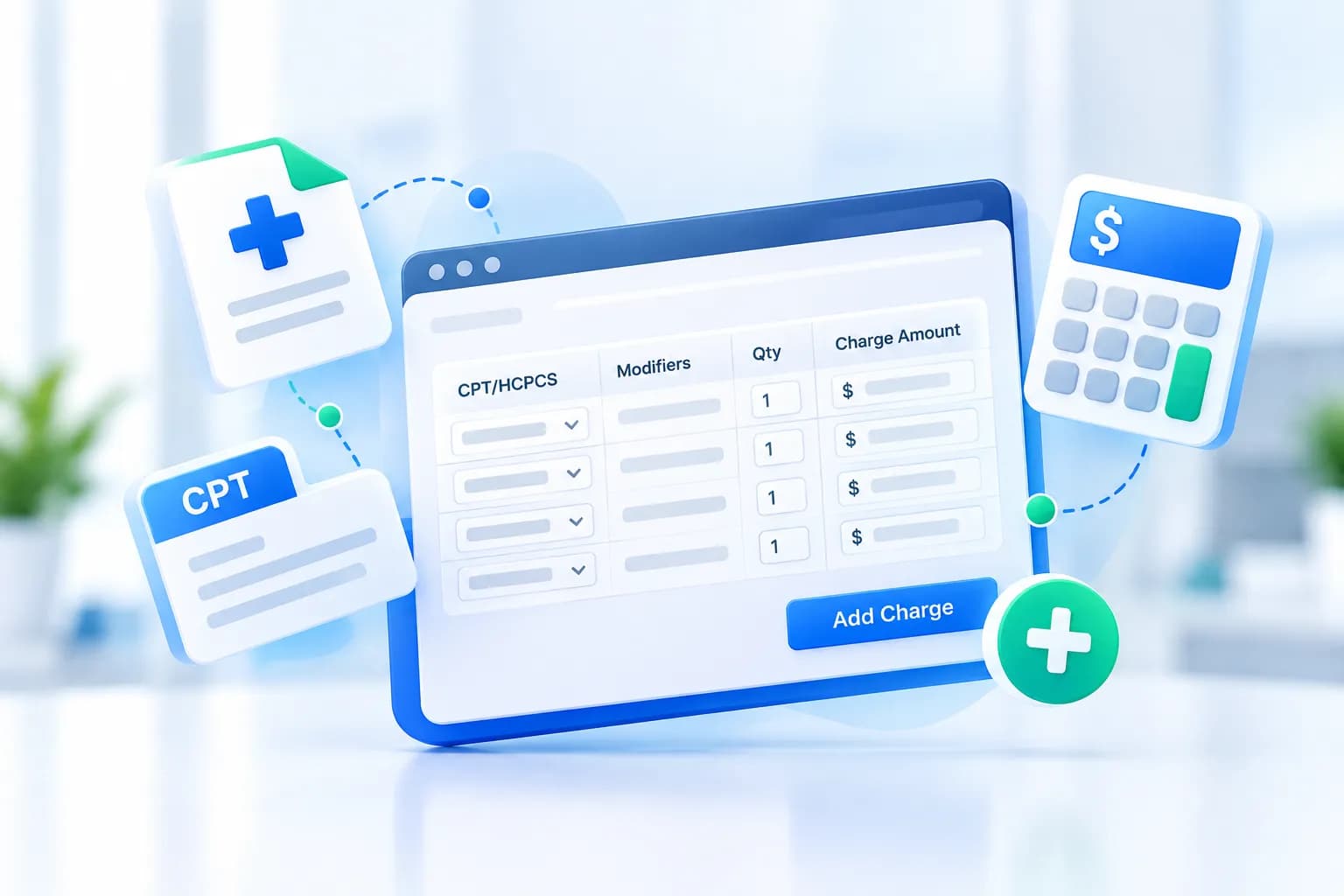
Enter supported information into the billing or practice management system with the applicable service line details.
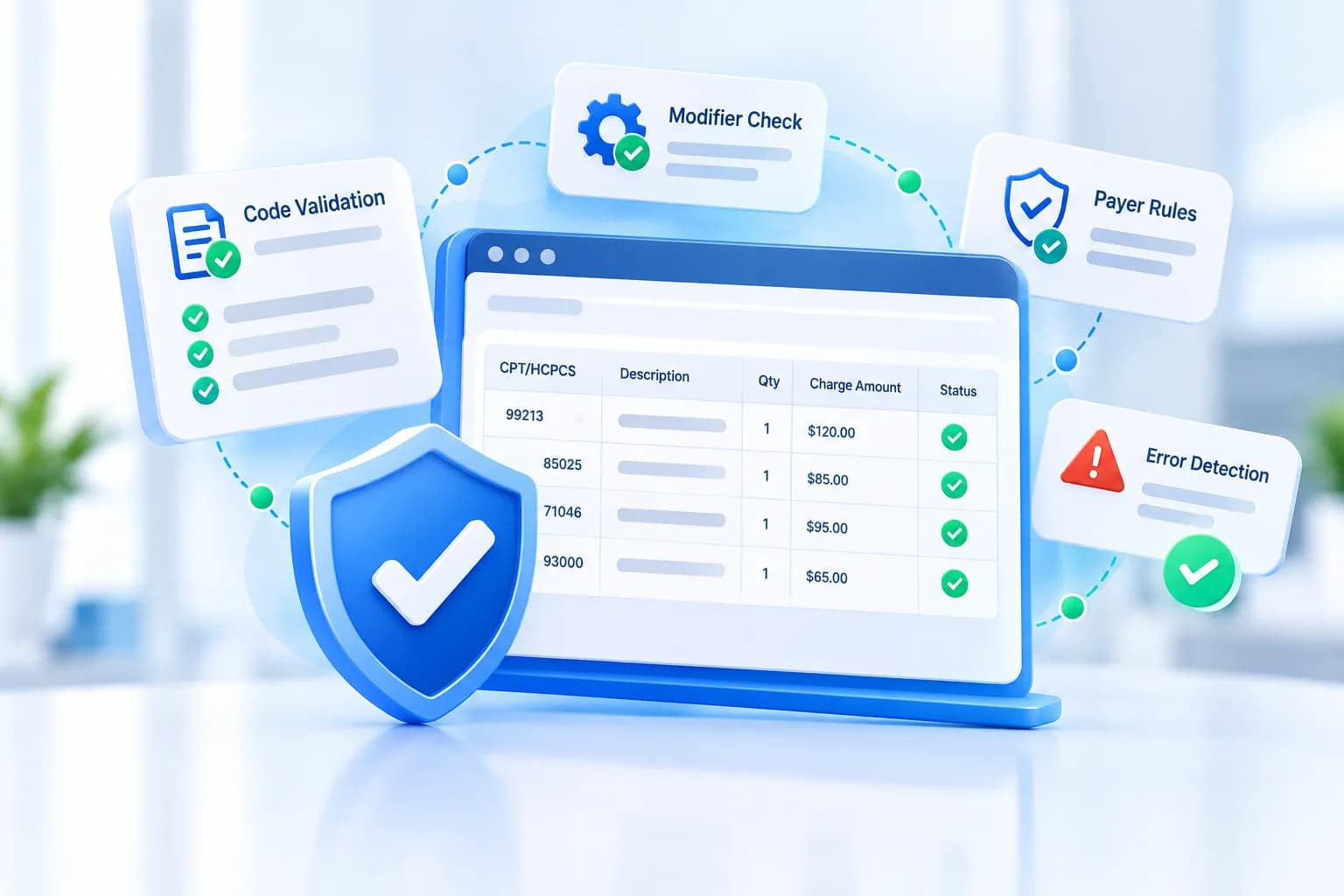
Check items against the available source for data discrepancies, missing information or duplicates.
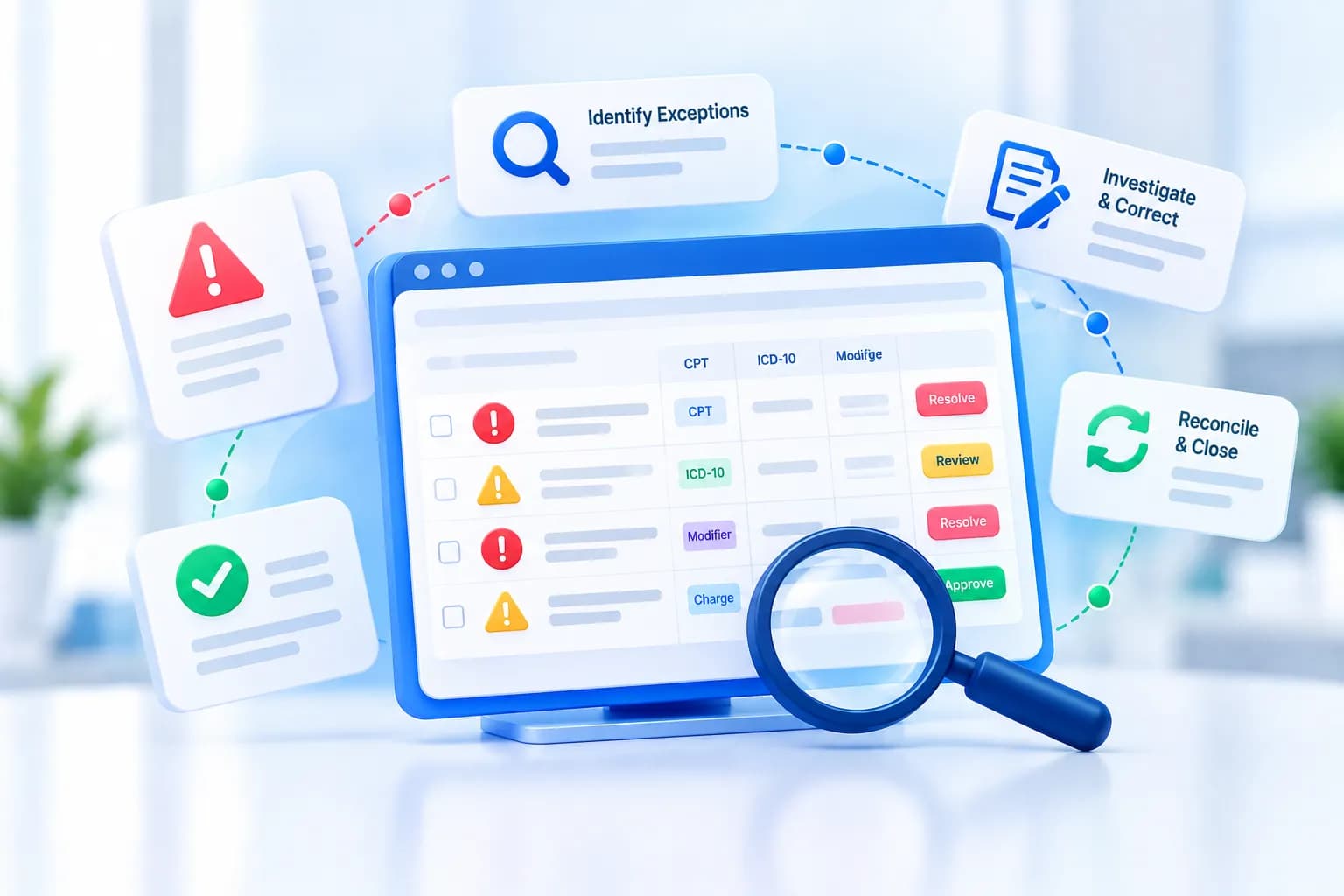
Flag items that cannot be completed reliably for clarification. When reconciliation is in scope, compare encounters and entered charges for possible gaps.
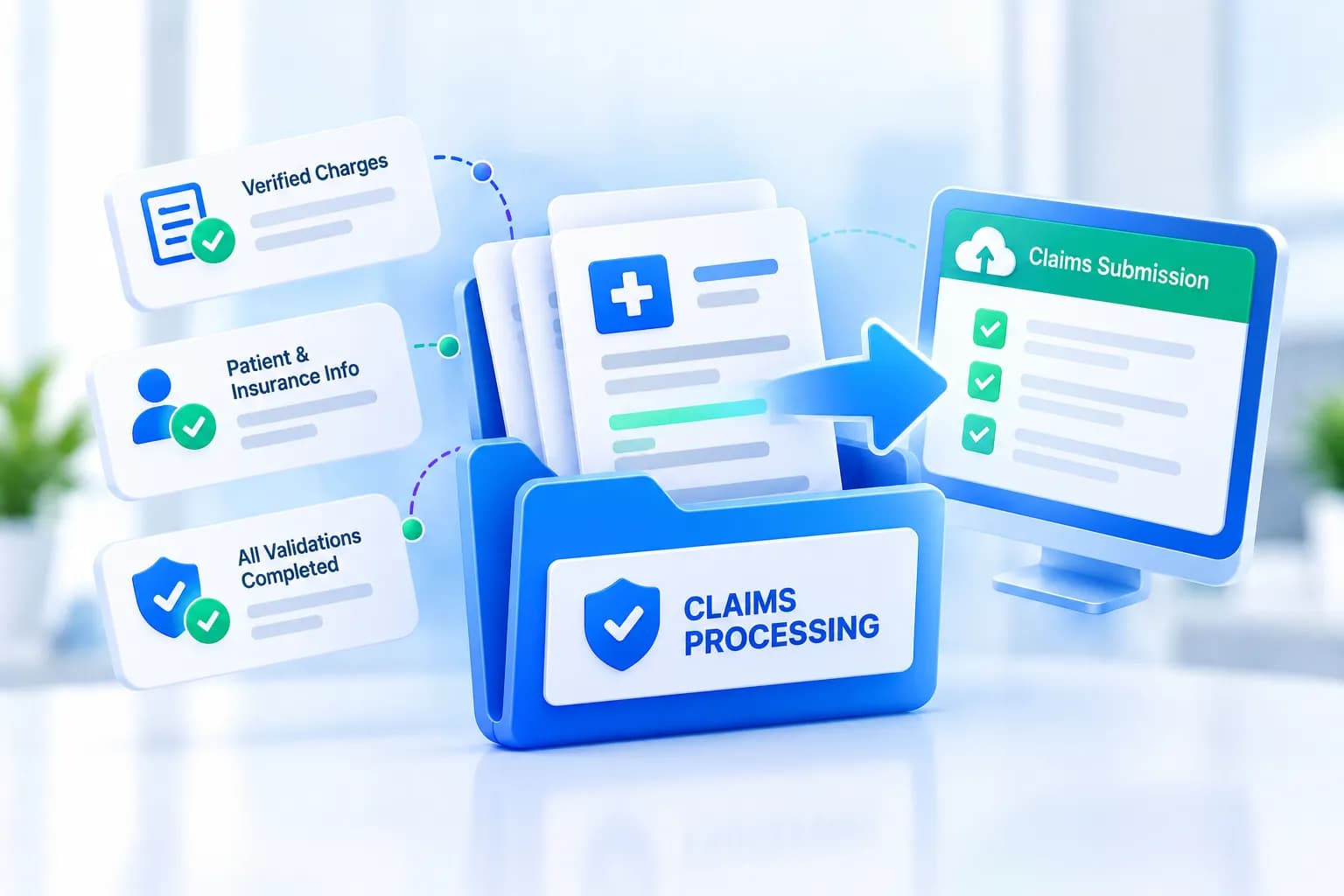
Completed charge data moves to claims processing, where the workflow handles claim preparation, validation and submission.
Elexoft delivers structured medical charge entry services designed to support accurate and efficient revenue cycle operations. From organized billing data intake and charge validation to exception handling and claims handoff, our approach helps maintain consistency throughout the billing workflow.
Accurately transfer supported patient, provider, procedure and charge information into the billing system through an organized charge entry workflow.
Review entered charges for accuracy and completeness while identifying exceptions that require correction before moving to the next billing stage.
Support charge entry within established practice software, including Kareo, Athenahealth, and Epic, while connecting the process with surrounding medical and dental billing functions.
Charge entry sits among coding and claims processing. Medical coding converts clinical documentation into standardized codes. Charge entry transfers the supported coded encounter and charge information into the billing system. Claims processing uses that billing information to prepare and move the claim through the appropriate submission workflow. Keeping these responsibilities distinct makes it easier to identify where a problem originated and how to correct it. Elexoft also provides medical coding, claims processing, insurance verification, prior authorization, payment posting, denial management, and broader revenue cycle management support, allowing practices to choose focused services or build a connected billing workflow.
Common problems include missing encounters, duplicate charges, incorrect dates or places of service, missing or incorrect units, omitted service-line information, patient or provider discrepancies, and charge amounts that do not match established billing information. A structured review helps surface these exceptions before the charge reaches claims processing. When source documentation & coding need clarification, the issue should return to the appropriate person rather than being guessed at during charge entry.
Charge entry connects clinical and coding information with claims processing. When that connection is incomplete, the billing team may spend additional time investigating differences before or after a claim is created. Accurate charge entry supports consistent service-line information, a more organized claims handoff, and clearer exception handling. The objective is not to guarantee payment. Payer decisions can depend on coverage, authorization, coding, medical necessity, payer rules and other factors. Disciplined charge entry helps prevent preventable data entry problems in that process.
Charge capture and charge entry are connected yet different. Charge capture records the services, procedures, or supplies provided during an encounter so they can enter the billing cycle. Charge entry takes the available documented and coded service information and enters the relevant billing details and charges into the billing system. In simple terms, charge capture establishes what needs to be billed; charge entry places the supported billing information into the system so it can progress toward a claim. A reliable workflow needs complete capture and accurate entry.




Charge entry is the process of entering documented and coded encounter information into the billing system, including relevant service line details and charges so that the encounter can move toward claim processing.